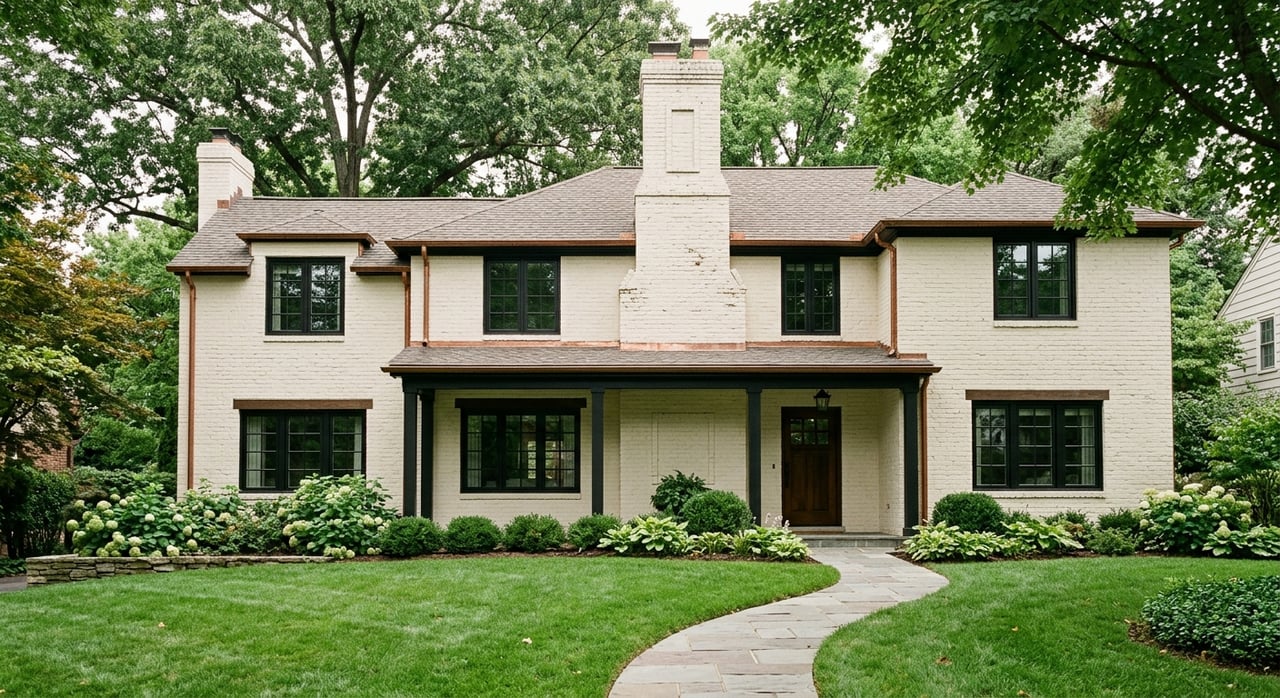
Wondering if an older home in Upper Arlington is a smart move? You are not alone. Many buyers are drawn to the charm, craftsmanship, and established feel of these homes, but they also want to avoid costly surprises. If you are considering buying an older home in Upper Arlington, this guide will help you understand what makes these properties special, what to inspect closely, and how to make a more confident decision. Let’s dive in.
Why older homes define Upper Arlington
Older homes are a big part of what gives Upper Arlington its identity. The community’s development began in 1914, and its original design emphasized curving streets, open park space, and homes set back from the road. That planning still shapes the look and feel of the area today.
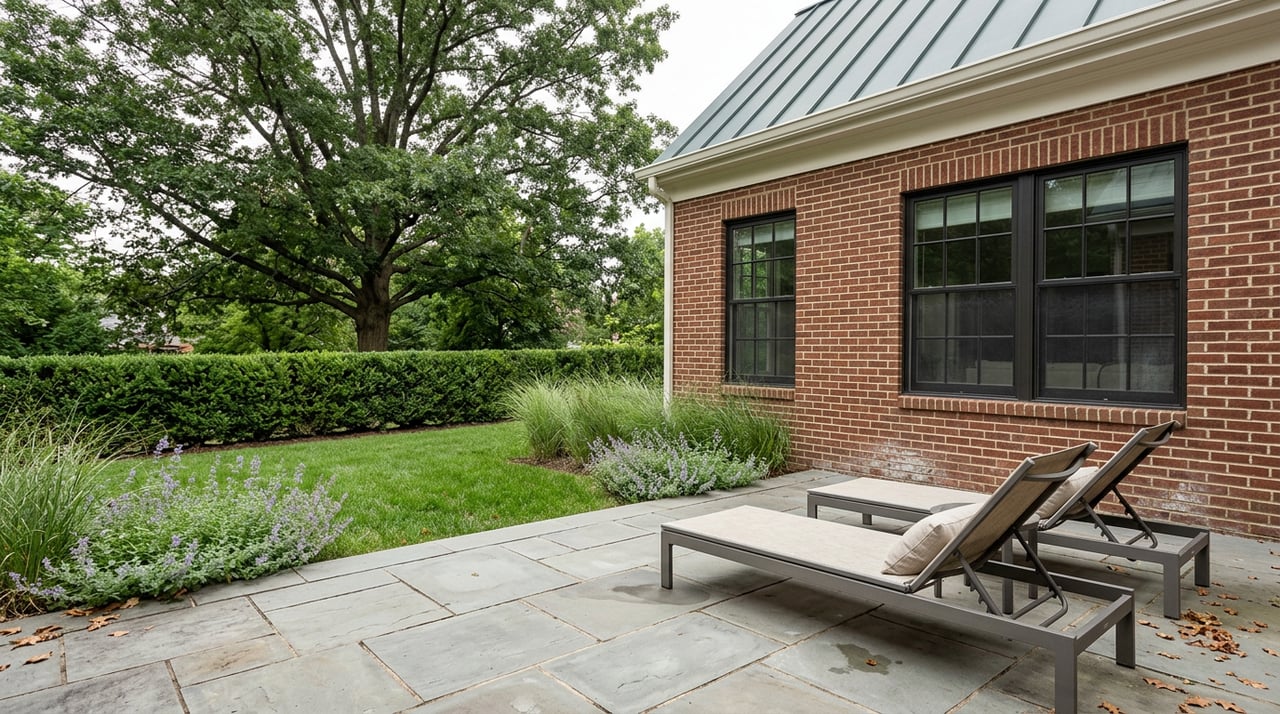
Upper Arlington also has a long-established landscape that many buyers notice right away. The city has been recognized as a Tree City USA community every year since 1990 and continues to plant hundreds of trees each year. That helps create the mature, established setting that often appeals to buyers looking for something with more character than a typical newer subdivision.
From a housing-supply standpoint, older homes are simply a major part of the market. City information notes that only about 100 new-home permits have been applied for since 2018 out of roughly 11,000 homes. In other words, if you want to buy in Upper Arlington, you will likely be shopping established housing stock rather than large numbers of newly built homes.
What older homes look like here
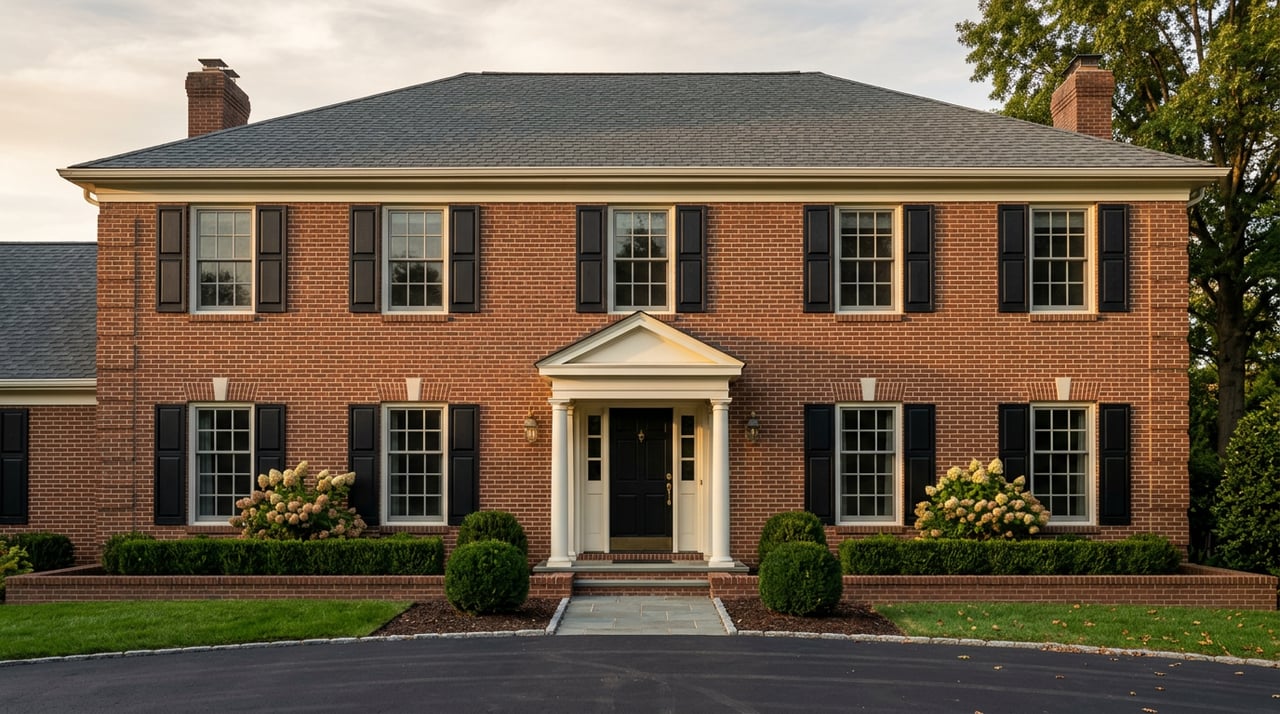
Upper Arlington’s older homes come in a wide range of Twentieth Century Revival styles. You may see Arts and Crafts, Georgian Revival, English Tudor Revival, Dutch Colonial Revival, Cape Cod Revival, French Provincial Revival, and several other styles across the city. That variety is part of the appeal, especially if you want a home with architectural detail that stands out.
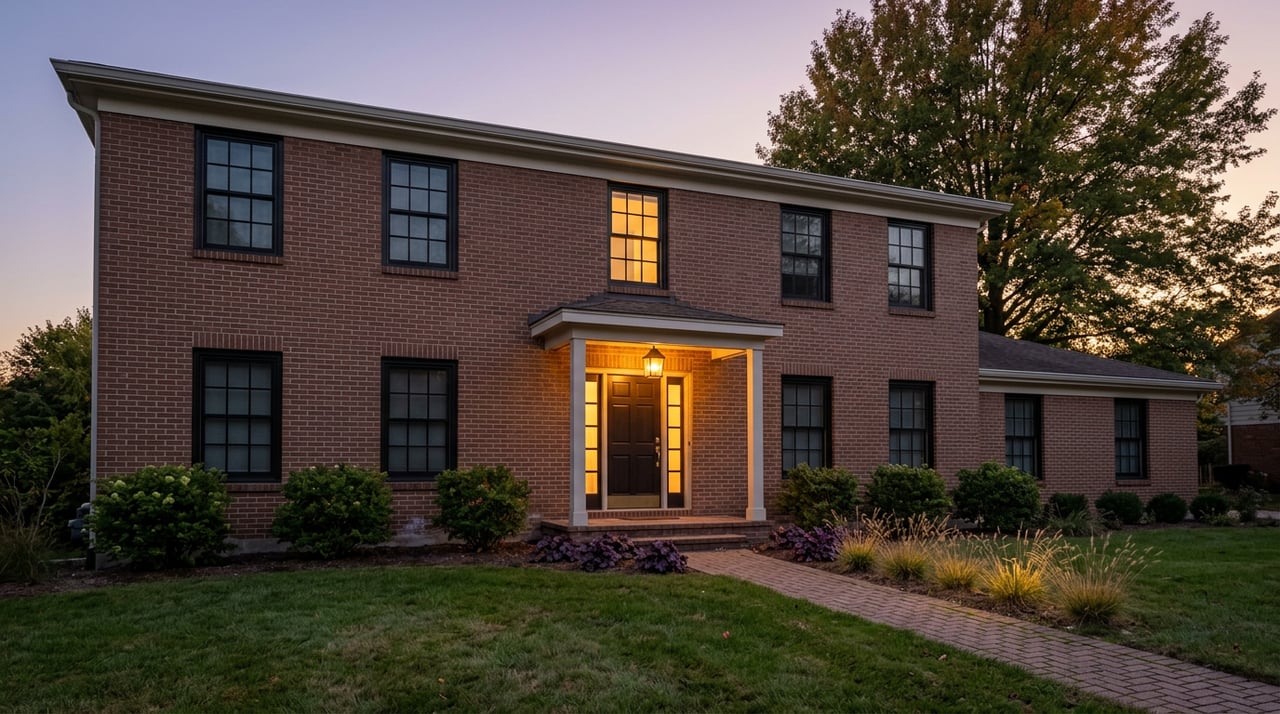
These homes often share features that buyers love. Common details include brick, stone, stucco, or clapboard exteriors, symmetrical front elevations, steep rooflines, dormers, decorative chimneys, and leaded glass. Those features can add charm and curb appeal, but they can also affect future renovation choices, especially if you want to update the exterior.
Location within Upper Arlington can also shape what you see. Most century homes are located in the Historic District south of Lane Avenue, while older homes north of Lane Avenue often reflect pre-annexation Perry Township development. When you compare homes, this can influence lot layout, streetscape character, and how much a property may have changed over time.
Why character homes attract buyers
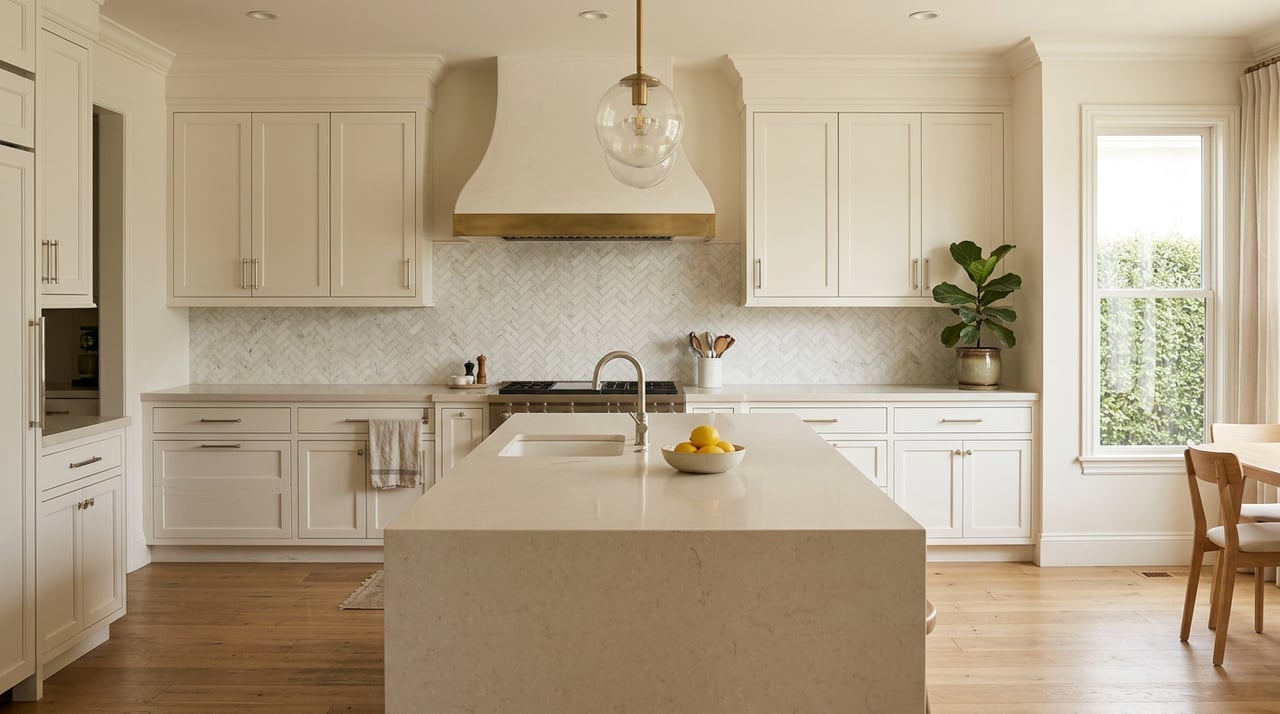
For many buyers, older homes offer something that is hard to replicate. You may find original millwork, distinctive exterior materials, thoughtful placement on the lot, and a street presence that feels more established. In a market where brand-new inventory is limited, these homes can offer a strong sense of place.
That said, charm should not replace due diligence. The same features that make an older home memorable can come with maintenance needs, past renovations, or system upgrades that need close review. A good buying strategy balances emotion with clear, practical questions.
Energy efficiency deserves a closer look
One of the biggest differences between an older home and a newer one is energy performance. According to the Department of Energy, many older homes have less insulation than homes built today. If comfort and monthly utility costs matter to you, this is worth investigating early.
A whole-house energy assessment can help identify where insulation and air sealing may be needed. The Department of Energy also notes that improvements like caulk, weatherstripping, and low-e storm windows can reduce drafts and improve comfort while preserving existing windows in some cases. If you love the look of original windows, that can be especially helpful information.
Heating equipment also matters. Older furnaces and boilers may be much less efficient than newer systems, so ask about the age of the equipment, maintenance history, and whether replacement may be needed soon. In a character home, operating costs can become part of the long-term ownership picture.
Lead paint and water lines to ask about
If you are buying an older home, lead should be part of your due diligence. The EPA says the older a home is, the more likely it is to contain lead-based paint, and pre-1978 homes should generally be assumed to have it unless testing shows otherwise. That does not automatically make a home unsafe, but it does affect how future work should be handled.
If painted surfaces will be disturbed, the EPA recommends using certified inspectors or risk assessors and hiring lead-safe certified contractors for renovation, repair, or painting work. Sanding, cutting, and window replacement can create hazardous lead dust. That makes this an important conversation before you plan projects after closing.
The home’s water service line is another smart item to check. The EPA recommends confirming whether the service line is made of lead by contacting the water utility or a licensed plumber. If the listing or seller records do not clearly document an update, add this question to your inspection and pre-closing checklist.
Permits matter more than many buyers realize
When you buy an older home, you are not just buying the original structure. You are also buying the history of updates, additions, repairs, and remodels that happened over time. That is why permit history can be so important.
Upper Arlington’s Building Division reviews plans, issues permits, and provides inspections for building and mechanical systems. The city states that residential building permit review typically takes 7 to 10 business days, trade permits take 5 to 10 business days, and inspection requests submitted by 3 p.m. are scheduled for the next business day. Plumbing inspections are scheduled with Franklin County Public Health.
For you as a buyer, the key question is whether previous work was properly permitted and final-inspected. If a home has a finished basement, addition, major kitchen remodel, mechanical updates, or exterior changes, ask when the work was done and whether records exist. Proper documentation can help you separate thoughtful improvements from possible future headaches.
Historic district review can affect future plans
Some older homes in Upper Arlington come with an extra layer of review. Old Arlington south of Lane Avenue was designated the Upper Arlington Historic District in 1985 and was placed on the National Register of Historic Places. It was recognized for its Twentieth Century American Colonial and English Revival homes.
If a property is in the Historic District, exterior changes may involve additional review. City documents note that if a contributing structure is involved, exterior alterations that require a building permit and replacement construction must complete design review through the Board of Zoning and Planning under historic-district rules. That does not mean you cannot improve the property, but it does mean your plans may need more coordination.
This is especially important if you already know you want to replace windows, change exterior materials, build an addition, or significantly alter the front elevation. Before you buy, make sure the home fits not only your taste today but also your renovation goals later.
How to verify a home’s history
You do not have to guess when it comes to a home’s age or status. Upper Arlington’s GIS maps can help you review parcel data, city trees, and whether a property is historically significant. The Upper Arlington Historical Society also advises buyers to use the Franklin County Auditor property record and the year-built field to confirm the age of a home.
These tools can be helpful when a listing describes a home as historic, classic, or updated but leaves some gaps in the timeline. If the renovation history feels unclear, verify the basics first. A little research upfront can give you a much clearer picture of what you are buying.
A practical checklist before you buy
If you are considering an older home in Upper Arlington, keep this checklist handy:
- Verify the year built.
- Ask what has been updated and when.
- Confirm permits and final inspections for major work.
- Determine whether the home is in the Historic District or is a contributing structure.
- Ask about lead-based paint and whether past work followed lead-safe practices.
- Check the water service-line material.
- Review the age and service history of heating equipment.
- Consider an energy assessment to identify insulation and air-sealing needs.
- Line up a qualified inspector and any contractors you may need after closing.
These questions can help you tell the difference between lasting character and hidden expense. They also help you plan your budget more realistically, which is especially important if you want to preserve original features while making strategic updates over time.
Buying older with confidence
Buying an older home in Upper Arlington can be incredibly rewarding. You may end up with timeless architecture, an established setting, and details that are hard to find in newer construction. But the best experience usually comes from going in with open eyes, a strong inspection strategy, and a clear understanding of how age, permits, and historic review can affect the property.
If you want help comparing homes, reviewing neighborhood nuances, or thinking through the tradeoffs between charm and future updates, working with a local advisor can make the process feel much simpler. When you are ready to explore Upper Arlington with a practical, relationship-first guide, connect with Keys + Company.
FAQs
What makes older homes in Upper Arlington different from newer homes?
- Older homes in Upper Arlington often offer established streetscapes, mature trees, distinctive architectural styles, and exterior details like brick, stone, dormers, decorative chimneys, and leaded glass that are less common in newer construction.
What should buyers inspect first in an older Upper Arlington home?
- Start with the home’s age, major system updates, permit history, heating equipment, possible lead-based paint, water service-line material, and whether the property may need added insulation or air sealing.
What does Historic District status mean for an Upper Arlington homebuyer?
- If a home is in the Upper Arlington Historic District and is a contributing structure, certain exterior changes that require a building permit may also need design review under the city’s historic-district rules.
How can buyers verify the age of an older home in Upper Arlington?
- You can use Upper Arlington GIS maps for parcel and historic-significance information and check the Franklin County Auditor property record, including the year-built field, to confirm the home’s age.
Are most homes in Upper Arlington older homes?
- Upper Arlington has a large share of established housing stock, and city information indicates that only about 100 new-home permits have been applied for since 2018 out of roughly 11,000 homes.
Why do permits matter when buying an older home in Upper Arlington?
- Permit and final-inspection records help you confirm whether additions, remodels, and mechanical updates were completed through the city’s approval process, which can reduce uncertainty about prior work.